

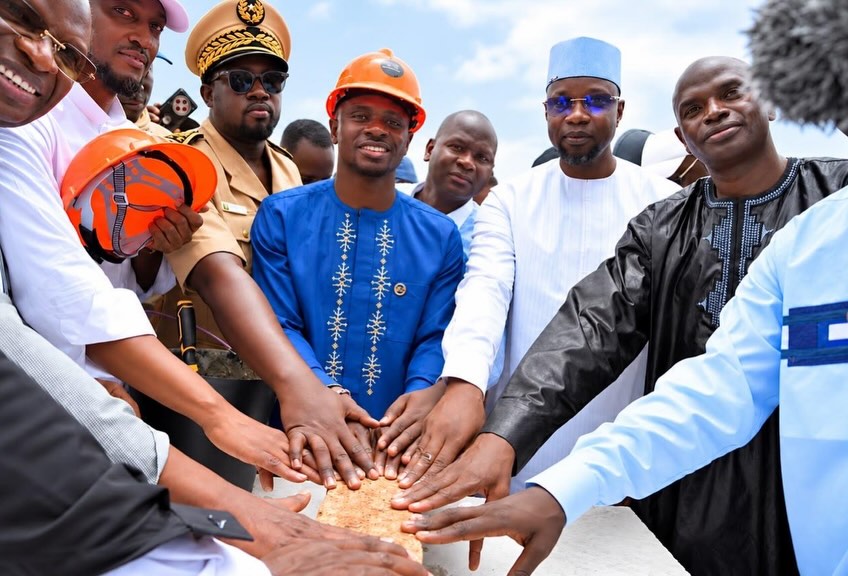
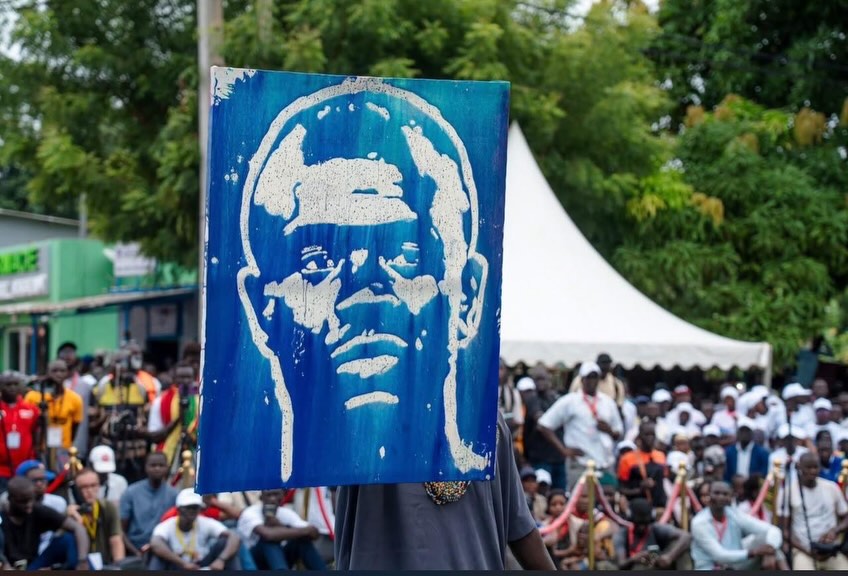
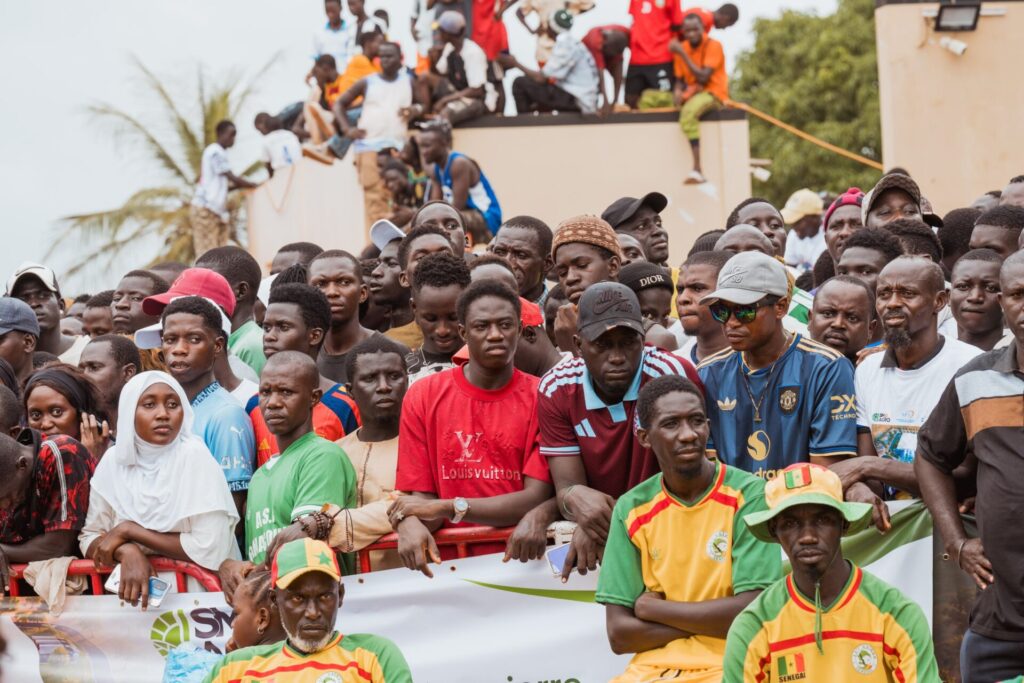
Sadio Mane stood on the red earth of Bambali on Saturday and laid the first stone of a project that has nothing to do with football and everything to do with where he comes from.
SM10 Agro is a 500-hectare agro-industrial park he is funding entirely himself. The Senegalese star chose his own hometown in the country’s southern Sédhiou region for the ceremony. No sponsors. No co-investors. Just a footballer writing a personal check the size of a small government budget.
The numbers alone stop you in your tracks. SM10 Agro will cost 11.7 billion CFA francs, roughly $20 million, all of it from Mane’s own pocket. The plantation alone will carry about 78,000 mango trees. Four processing units. Capacity to handle 8,500 tonnes of mangoes a year. Construction is pencilled in for 18 months.
This isn’t charity dressed up as industry. Mane wants a factory that runs.
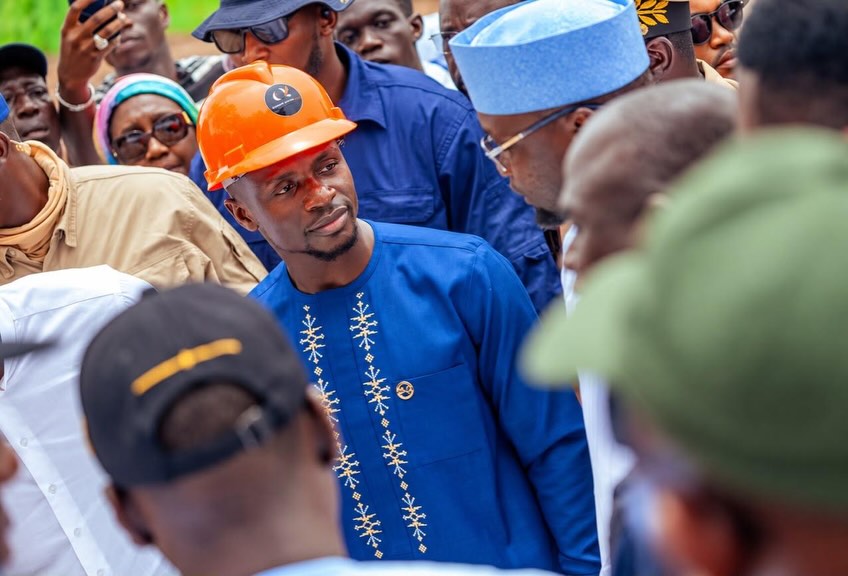
Bambali sits in Moyenne-Casamance, where mango trees produce heavily and a large share of the harvest simply rots because there’s nowhere to store it and nobody to sell it to. That’s the gap SM10 Agro is built to close. Three industrial units will turn the fruit into pulp, dried mango and mango butter, with a processing center aimed squarely at export markets.
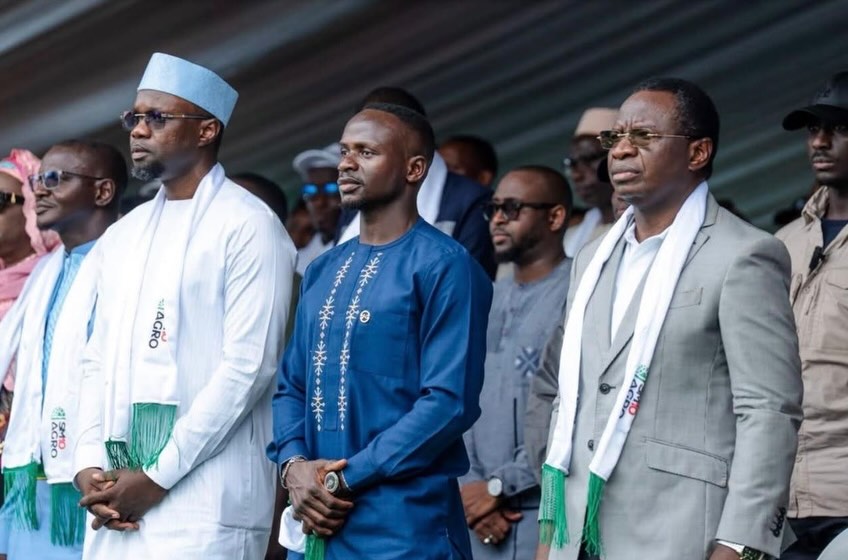
Jobs are the headline number politicians love to quote. More than 1,000 direct positions are expected once the park opens. Aminata Tope, the project’s deputy director, says the first harvest won’t land for another three years. Patience isn’t optional here. Trees take time.
Mane wasn’t shy about why this matters more than any trophy he’s lifted. He told reporters the project carries particular personal weight because of his connection to the area, calling it a commitment he takes seriously since Bambali is his native land.
The guest list told its own story. Ousmane Sonko, president of Senegal’s National Assembly, presided over the ceremony after accepting Mane’s invitation, and Industry and Commerce Minister Serigne Guèye Diop was also on hand. A footballer’s groundbreaking pulling in the country’s political establishment is not a small thing.
Officials framed it as more than a rich man’s pet project. One local figure, Bathily, insisted SM10 Agro represents a territorial economic development initiative rather than a simple private investment. Whether that framing holds depends entirely on what gets built.
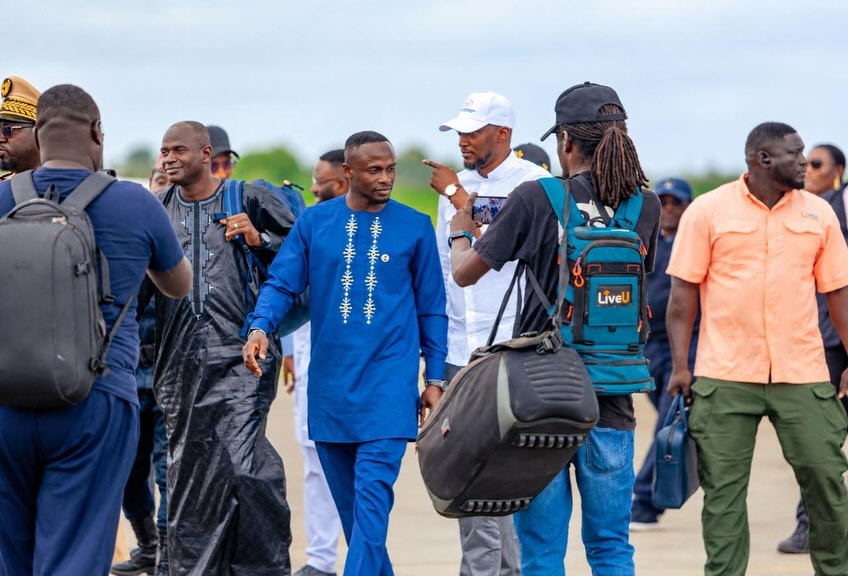
Training is baked into the plan too. A training center will sit alongside the factories, complete with housing and a research and development wing meant to give young people practical skills. Mane wants Bambali’s children to be proud of what the project delivers, calling it a commitment he takes seriously precisely because this is his native land.
Government incentives are already lined up. Bathily said the project qualifies for five years of tax and customs exemptions on imports tied to construction and equipment.
Get instant alerts and updates based on your interests. Be the first to know when big stories happen.
This isn’t Mane’s first act of generosity in Bambali. He has already funded a mosque, a hospital serving dozens of surrounding villages, a 17-classroom secondary school, housing, boreholes, a post office and a petrol station. SM10 Agro is the leap from philanthropy to industry.
Mane called it the logical continuation of his social commitment, just on a different scale.
The stone is laid. What comes next, the plantation growing, the factories rising, the first export contract signed, will decide whether Bambali becomes Senegal’s mango capital or just another ambitious plan slowed by reality.
“I want the wealth of our land to stay here, at home,” Mane said.
That line will follow him for the next three years, whether the trees deliver or not.