
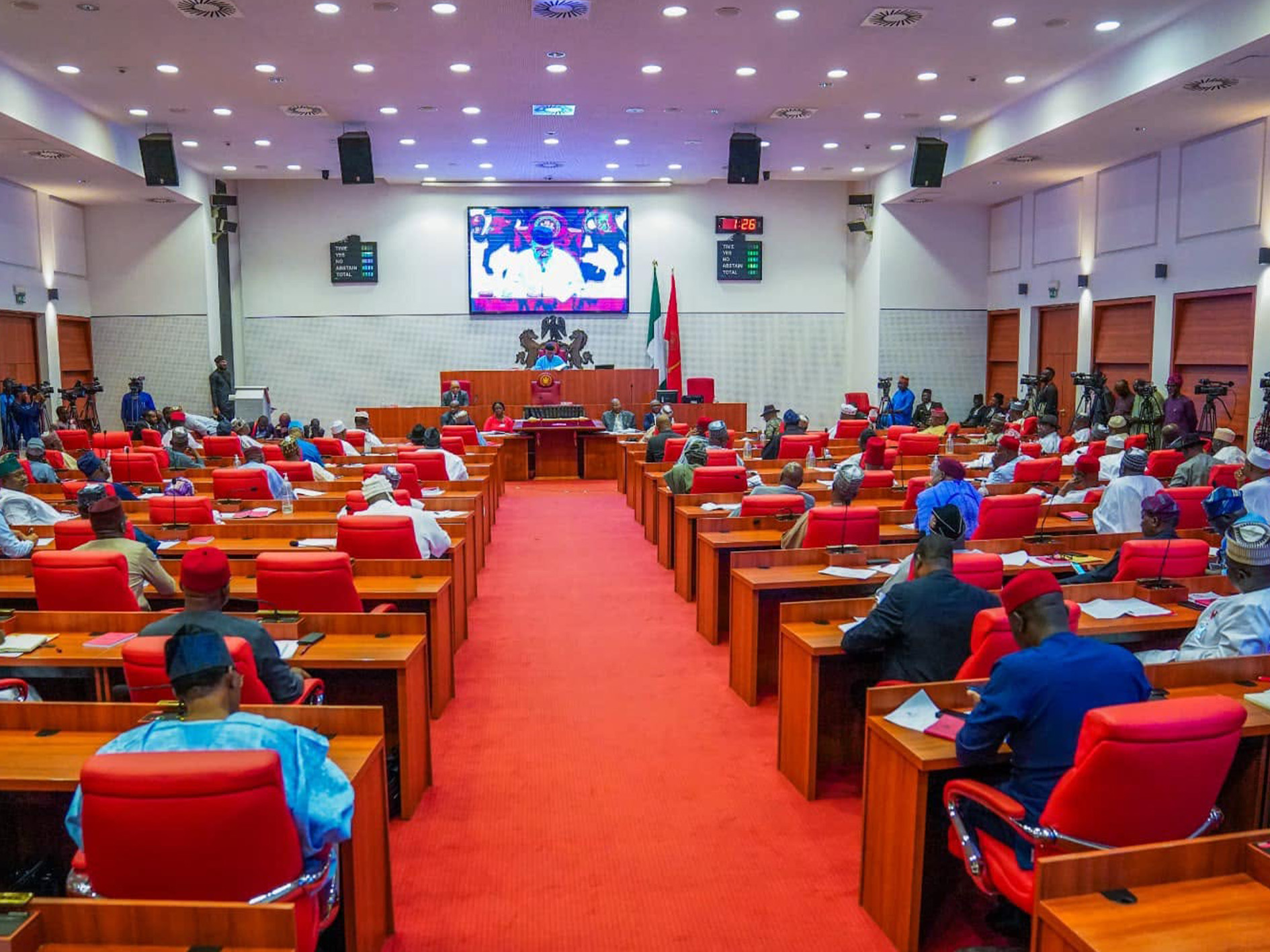
Nigeria’s lawmakers just drew a hard line with Pretoria. The National Assembly has suspended every official visit to South Africa and will boycott any legislative activity hosted or organised on South African soil, citing the continuing wave of xenophobic violence against Nigerians and other African nationals there.
Clerk to the National Assembly, Kamoru Ogunlana, made it official from Abuja on Friday, September 11. The decision came out of joint consultations between Senate and House leadership, and it isn’t a symbolic slap on the wrist. It covers conferences, seminars, workshops, parliamentary meetings, and any exchange programme South Africa hosts, whether lawmakers show up in person or dial in virtually.
The pattern behind this decision is grim. National Assembly leadership pointed to persistent reports of violence, intimidation, and property destruction targeting Nigerians in South Africa, reports that have piled up despite repeated diplomatic appeals for Pretoria to act.
Nigerians have been killed. Others injured, displaced, forced to walk away from businesses, homes, and investments they spent years building. That’s the reality driving this suspension, according to the statement.
Ogunlana didn’t mince words on the scope of it. The National Assembly resolved to suspend all official visits to the Republic of South Africa and to boycott any South African-organised legislative engagement until further notice. vanguardngr
This isn’t lawmakers cutting ties with South Africa wholesale. The statement was careful to frame the move as pressure, not rupture, insisting it wasn’t designed to damage the historical and diplomatic bond between the two countries.
Leadership called it something else entirely: a strong expression of concern over the safety, dignity, and welfare of Nigerians living and doing legitimate business in South Africa.
The demands attached to the boycott are specific. Nigeria wants South African authorities to take real, urgent steps to protect foreign nationals, investigate every reported attack, arrest suspects, and actually prosecute them under the law, not just issue statements after the fact.
Get instant alerts and updates based on your interests. Be the first to know when big stories happen.
There’s a ripple effect building too. The National Assembly is now urging all 36 State Houses of Assembly to consider adopting similar measures, which could turn one federal boycott into a nationwide diplomatic signal.
For now, the suspension has no end date. It stays in force until National Assembly leadership decides otherwise, and they’ve made clear they’re watching how South Africa responds before that happens.