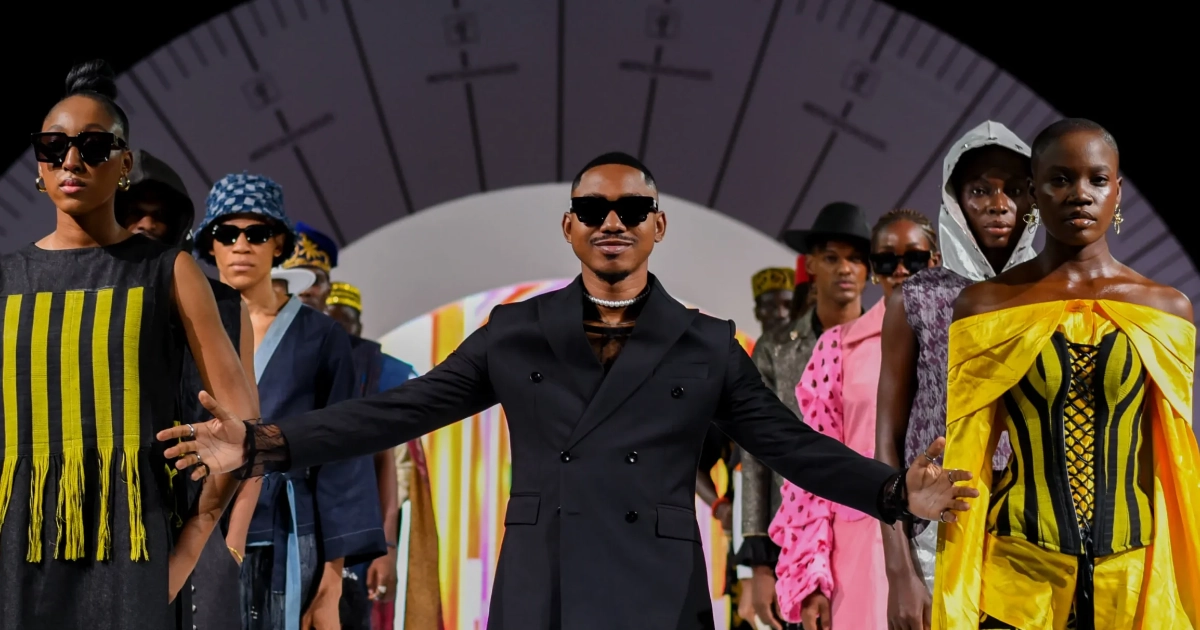
More than 50 designers are set to show at the 2026 edition of Epic Fashion Week in Lagos, one of the largest single-event lineups on Nigeria’s fashion calendar this year.
The show pulls together designers working across youth-driven streetwear, sustainable fashion, and contemporary luxury, giving emerging labels a shared stage alongside more established Nigerian names.
Nigerian streetwear in particular has become one of the most closely watched categories at the event, having developed what commentators describe as a distinctive visual language over the past decade, drawing on local textile traditions, football culture, church aesthetics and internet culture, according to a report on the lineup.
Sustainability is also part of the framing this year, echoing a message that has run through Lagos Fashion Week and other showcases on the calendar. Commentary around the event has argued that Nigerian designers should treat circularity as a heritage they already have, built on generations of reworking and repurposing fabric, rather than adopting it as a standard imported from Europe.
I think putting fifty-plus designers on one bill is a genuine gamble for organisers, since it is a lot of ground to cover in a single show, but it also means emerging designers get access to buyers, press and stockists that a smaller, more curated lineup would not offer them.
Get instant alerts and updates based on your interests. Be the first to know when big stories happen.
The scale fits a pattern seen elsewhere this year, from Noir Fashion Week’s return to Nairobi to Kampala’s Bold Fashion Week, as African fashion weeks increasingly use size and structure to signal industry maturity rather than just star power.