
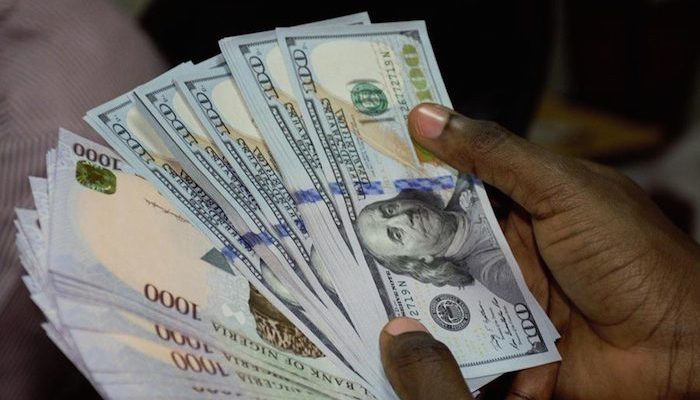
₦1,329.15. That’s what the Central Bank of Nigeria posted for the official rate on Wednesday, September 16. Walk into a Bureau de Change in Lagos or Abuja, though, and you’ll pay closer to ₦1,385 for the same dollar.
The spread now sits above ₦50. Fifty naira, multiplied across every school fee payment, every import invoice, every diaspora transfer routed through the informal channel because it’s faster than waiting on a bank.
Aboki Forex, which tracks street rates hourly across major Nigerian cities, put parallel market buying at ₦1,380 and selling at ₦1,385 as of Wednesday morning. Some dealers in Kano and Port Harcourt quoted even wider, with sell rates touching ₦1,390 before midday. Prices moved again by afternoon. They always do.
This isn’t a one-day blip. The dollar traded as low as ₦1,363 on the parallel market just over a week ago, on September 7. By the following weekend it had climbed back toward ₦1,374. Now it sits comfortably above ₦1,380. A steady grind upward, not a spike.
Analysts point to the usual suspects. Importers restocking ahead of the final quarter. Families settling tuition abroad. Travelers converting naira before international trips. All of them chasing dollars that the official window isn’t fully supplying, which pushes buyers toward Bureau de Change operators and street dealers instead.
The Central Bank isn’t without ammunition. Nigeria’s external reserves reportedly sit above $54 billion, and oil receipts have held up enough to give the official market a cushion. That’s the story the CBN wants told: reserves climbing, the official rate holding near ₦1,326 to ₦1,329, a currency under control.
Get instant alerts and updates based on your interests. Be the first to know when big stories happen.
The street tells a different story. A gap approaching 4.6 percent between official and parallel rates says confidence in the unified exchange system still has cracks. Nobody pays ₦1,385 for a dollar because they enjoy it. They pay it because the dollars they need aren’t available where the government says they should be.
Rates quoted here are snapshots from Wednesday morning and midday. By evening, dealers in different cities may already be quoting something else entirely. That’s the naira in September 2026: two prices, one currency, and a gap that keeps refusing to close.