

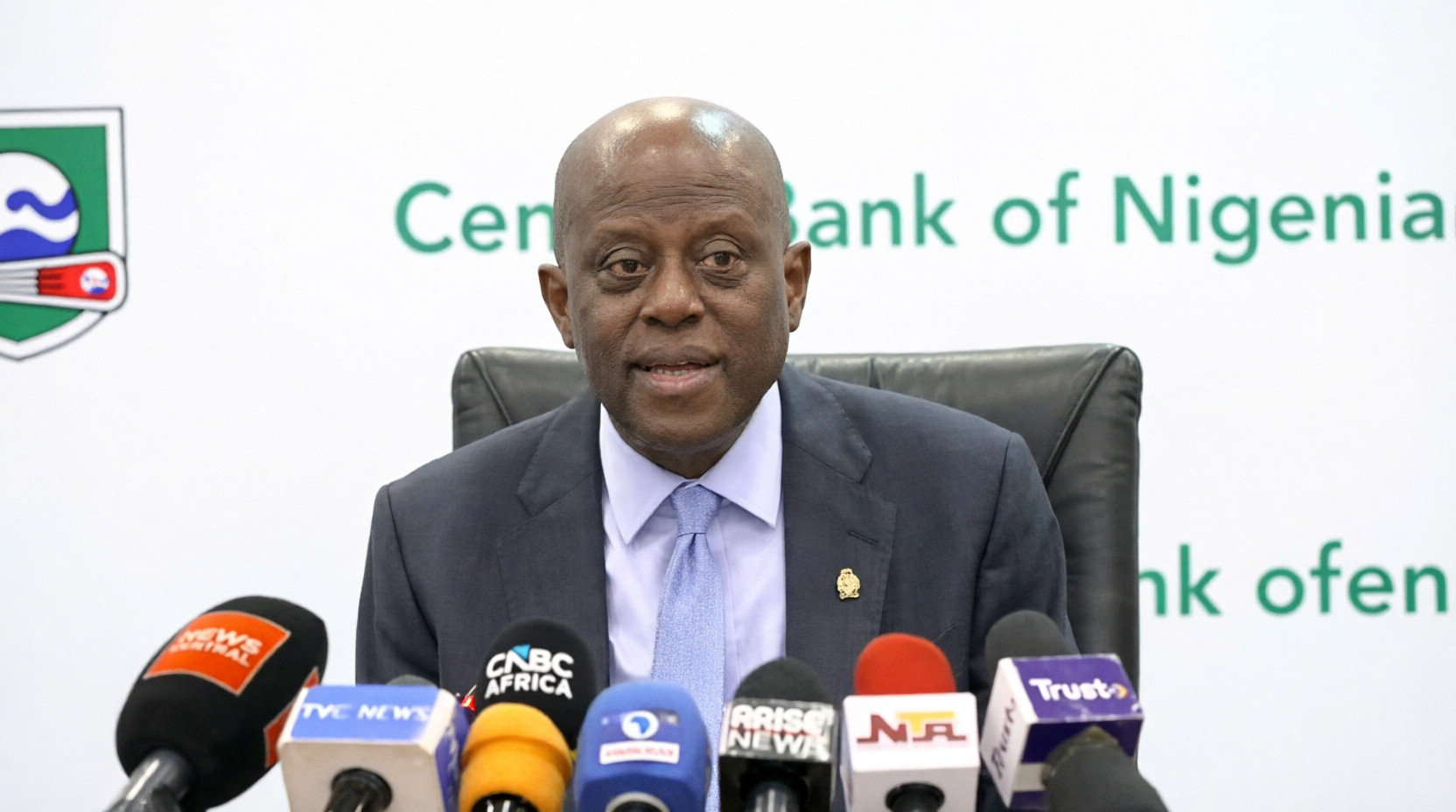
Nigeria’s central bank has opened applications for the second cohort of its regulatory sandbox, giving virtual asset operators, fintechs and other digital finance companies a supervised space to test products before applying for a full licence. Applications opened on August 12 and close August 31.
The programme runs on two tracks. The first, for Virtual Asset Service Providers, covers stablecoins, payment and settlement services, custody platforms, wallets and related infrastructure. The second track supports companies that use secure digital infrastructure and permission-based data sharing to improve payments, credit assessment, risk management and financial inclusion more broadly.
Regulatory oversight is split by function rather than by company. The CBN supervises virtual assets used for payment activities, while the Securities and Exchange Commission regulates digital assets that function as securities. Companies accepted into the sandbox have to meet standards for consumer protection, cybersecurity, operational resilience and regulatory reporting, and the CBN has been explicit that a sandbox spot is not a licence to operate outside the approved testing parameters.
I think the timing here says as much as the programme itself. Nigeria is already Africa’s largest cryptocurrency market, Nigerians transacted roughly $92.1 billion in cryptocurrencies between July 2024 and June 2025, with stablecoins increasingly doing double duty as payment and remittance tools rather than just trading assets. A sandbox that lets the CBN watch these products operate under supervision, instead of either banning them outright or leaving them unregulated, fits a market that has clearly moved past the point where either extreme was realistic.
The sandbox also sits inside a wider regulatory push. It follows President Tinubu’s July 18 executive order establishing a Virtual Asset Council, chaired by the CBN and including the Securities and Exchange Commission, the Nigeria Revenue Service and other agencies. Read together, the two moves suggest Nigeria is trying to build out a coordinated framework for digital assets rather than handling virtual currency questions bank by bank or agency by agency.
Get instant alerts and updates based on your interests. Be the first to know when big stories happen.
For fintechs and virtual asset companies watching from outside, the practical takeaway is a two-and-a-half week window to apply, and a chance to operate with regulatory visibility rather than in the grey area many have worked in until now.