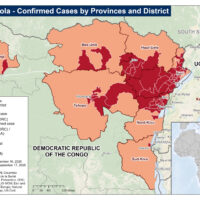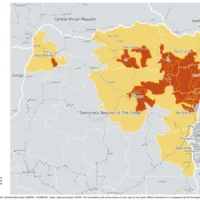

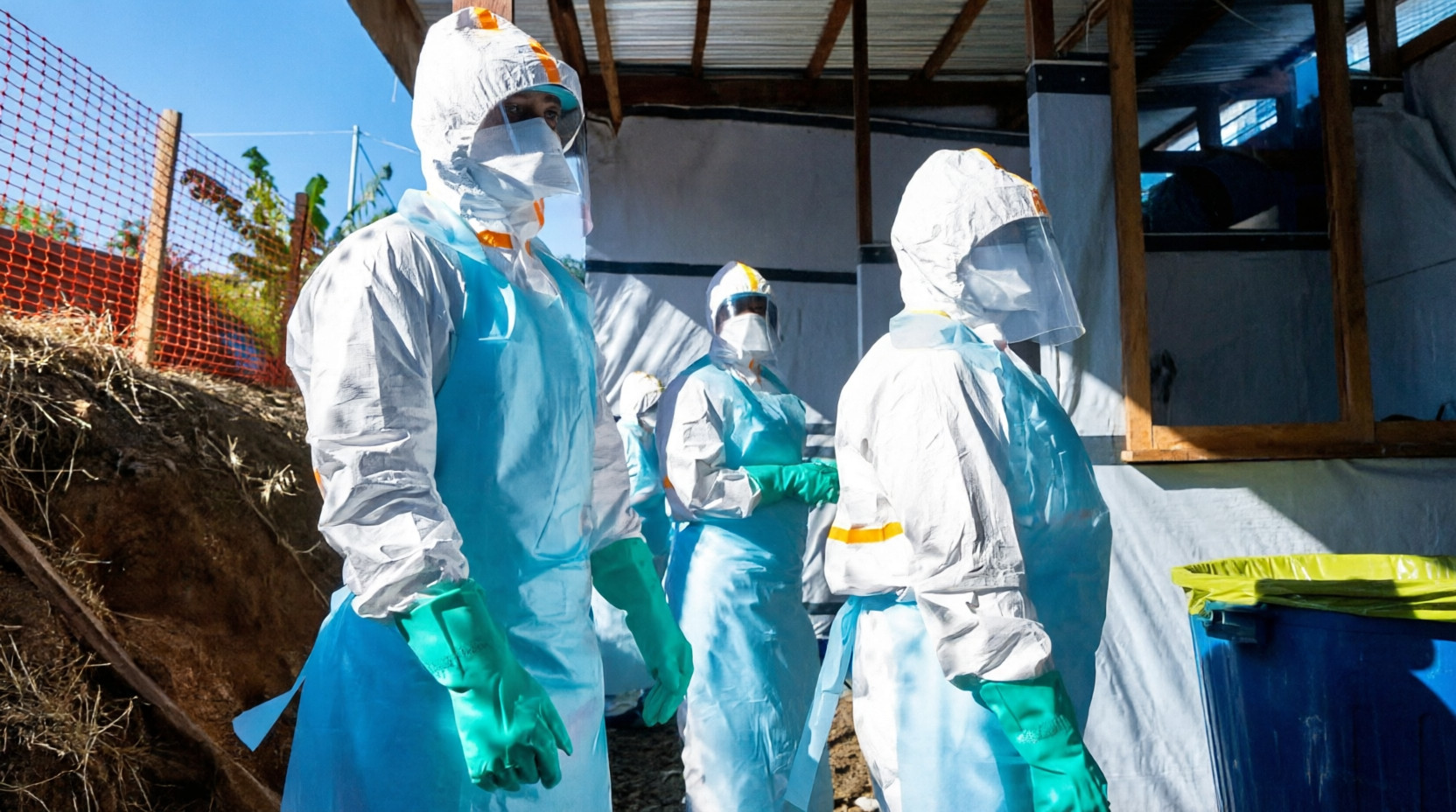
The death of a Kenyan man who contracted Ebola while traveling from the Democratic Republic of Congo has exposed major gaps in East Africa’s airport screening systems, even as a second suspected case in Wajir County tested negative this week.
The man, who had lived in Congo for seven years, fell ill roughly a month before traveling home through three Ebola-affected Congolese provinces, then overland into Uganda before flying to Nairobi, Health Minister Aden Duale said. He passed infrared temperature checks and digital health declarations at both Entebbe and Nairobi airports, with Ugandan officials confirming his temperature read “normal” at Entebbe. He was rushed to Nairobi Hospital on arrival already showing fever and bleeding under the skin, and died two days later.
Infectious disease physician Kamran Khan of the University of Toronto noted that infrared thermometers measure surface rather than core body temperature and can miss active infections, particularly if a traveler has taken fever-reducing medication. Rose Tchwenko of Prosper Global, DRC country director, said her own Kinshasa-to-Nairobi screening took “under two minutes” with no follow-up, underscoring how reliant the system is on travelers’ self-declaration.
Kenyan authorities have since identified 57 contacts of the deceased man, quarantined 10 of them, and set up a dedicated screening gate for arrivals from Congo and other at-risk countries at Jomo Kenyatta International Airport. On October 9, officials confirmed preliminary tests on a second suspected case, a 20-year-old man in Wajir County, had come back negative. The underlying outbreak, driven by the Bundibugyo ebolavirus strain with no approved vaccine, is DR Congo’s worst on record, and Kenya’s case made it the fourth country linked to the epidemic.