
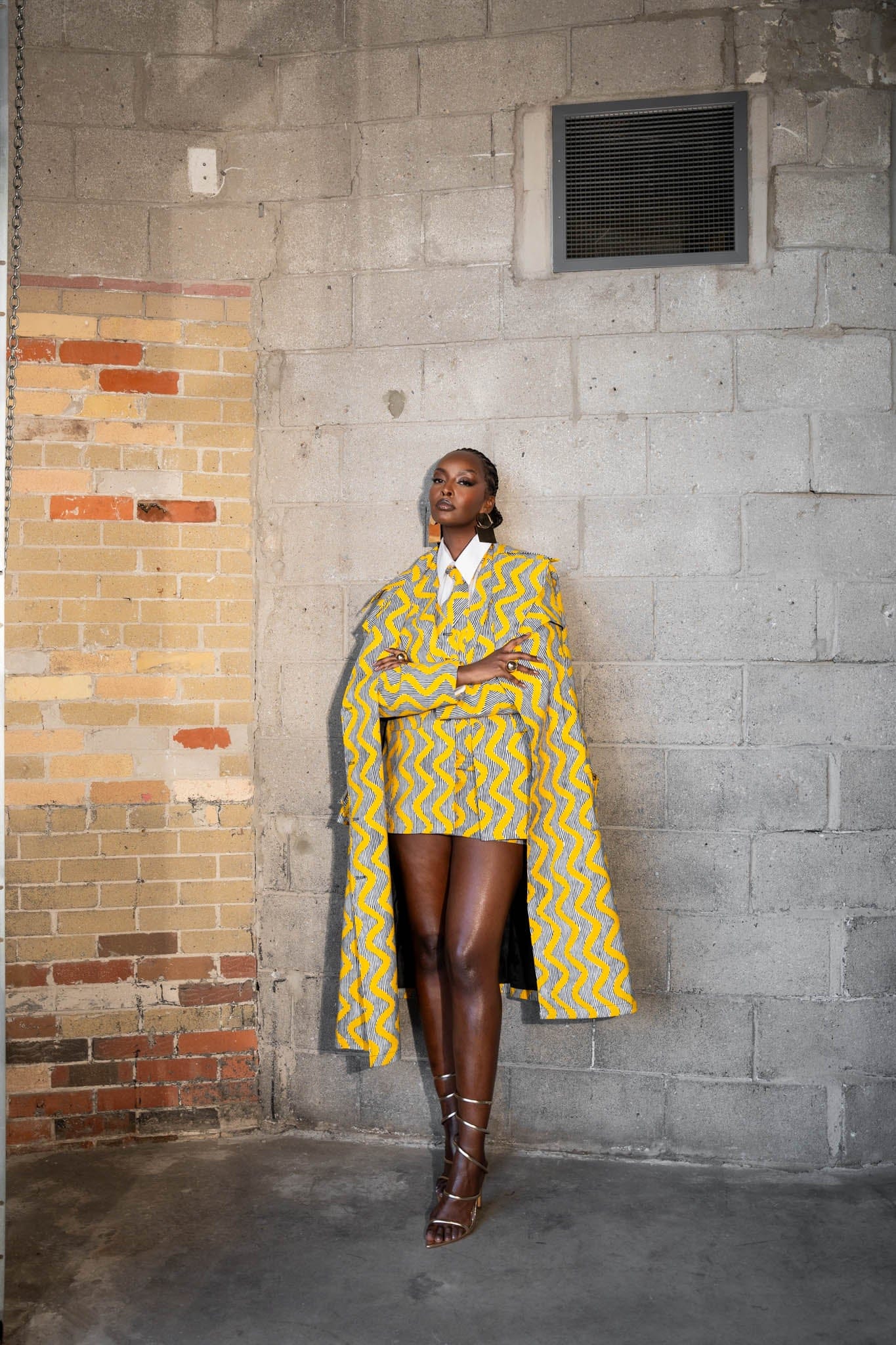
I and a team of start-ups founders was walking through a street market in Nairobi last November when I saw it, a garment so fluid it seemed to catch the wind before the breeze even arrived. It was a trench coat, but not the stiff, heavy beige armor those in “West” usually associate with rainy London commutes. This was different. It was made of breathable, hand-woven cotton, patterned with a subtle indigo resist-dye that looked more like a piece of art than outerwear.
The woman wearing it looked entirely unbothered by the humidity. She had it thrown over a simple white tee and cropped trousers, looking like the most sophisticated person in the three-block radius. That moment made me realize we are heading toward a major shift.
Honestly, the heavy-duty, “I am going to war with the elements” trench coat has had its day. As we move into 2026, the world is finally catching up to what African designers have known for ages: you can have structure without the weight, and heritage without the costume.
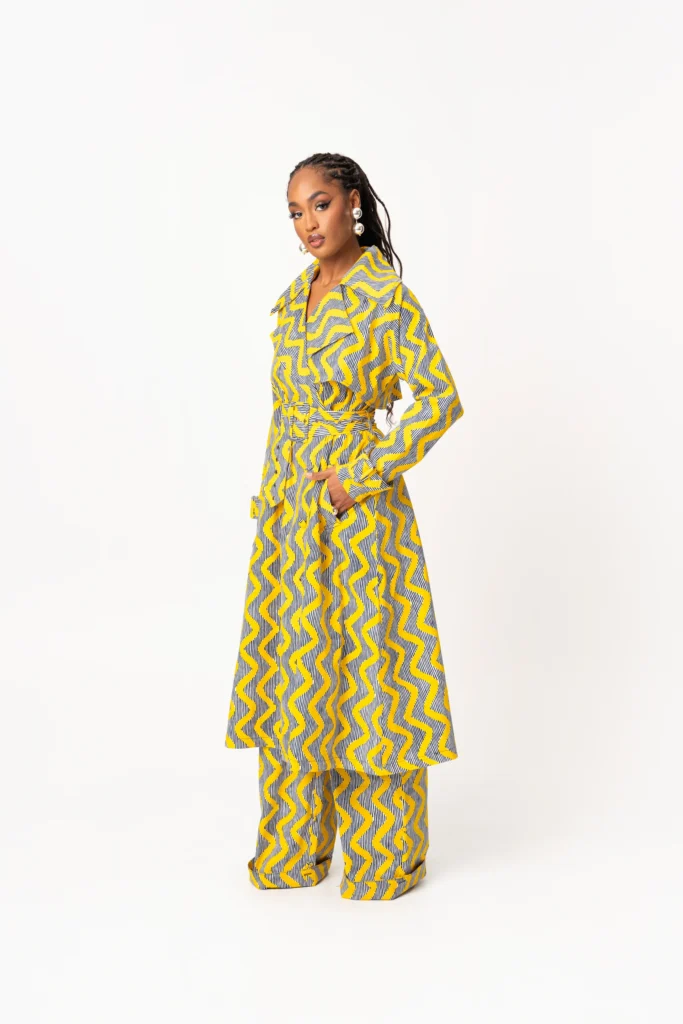
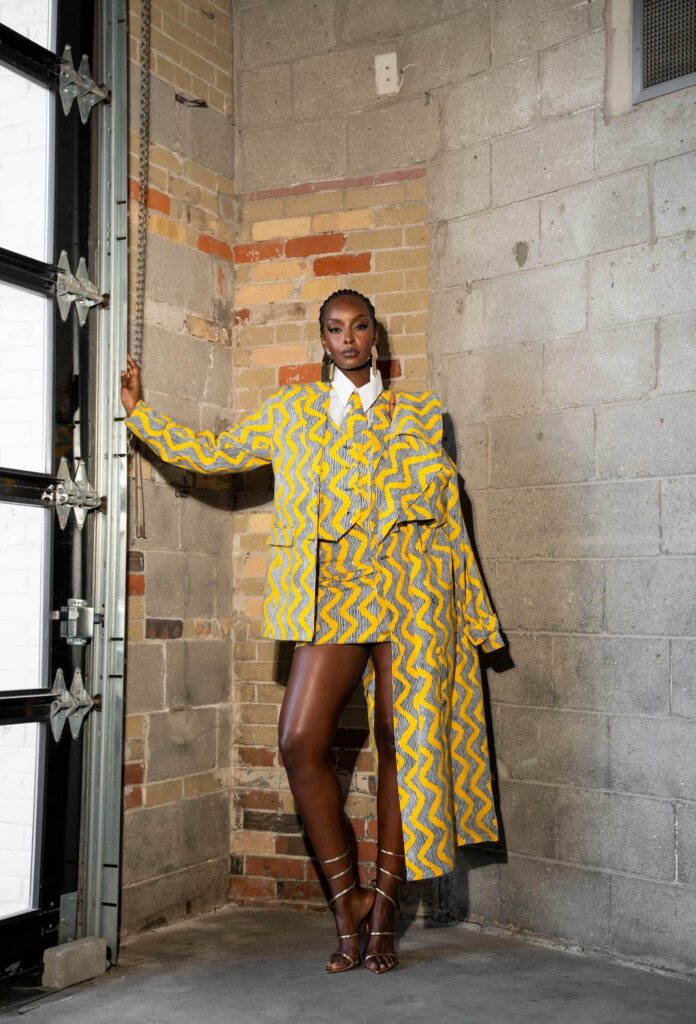
We have spent decades thinking a trench coat has to be heavy to be high-quality. But let’s be real, most of us are living in climates where a wool-blend duster is just a recipe for a mid-afternoon sweat. 2026 is the year of “Functional Fluidity.”
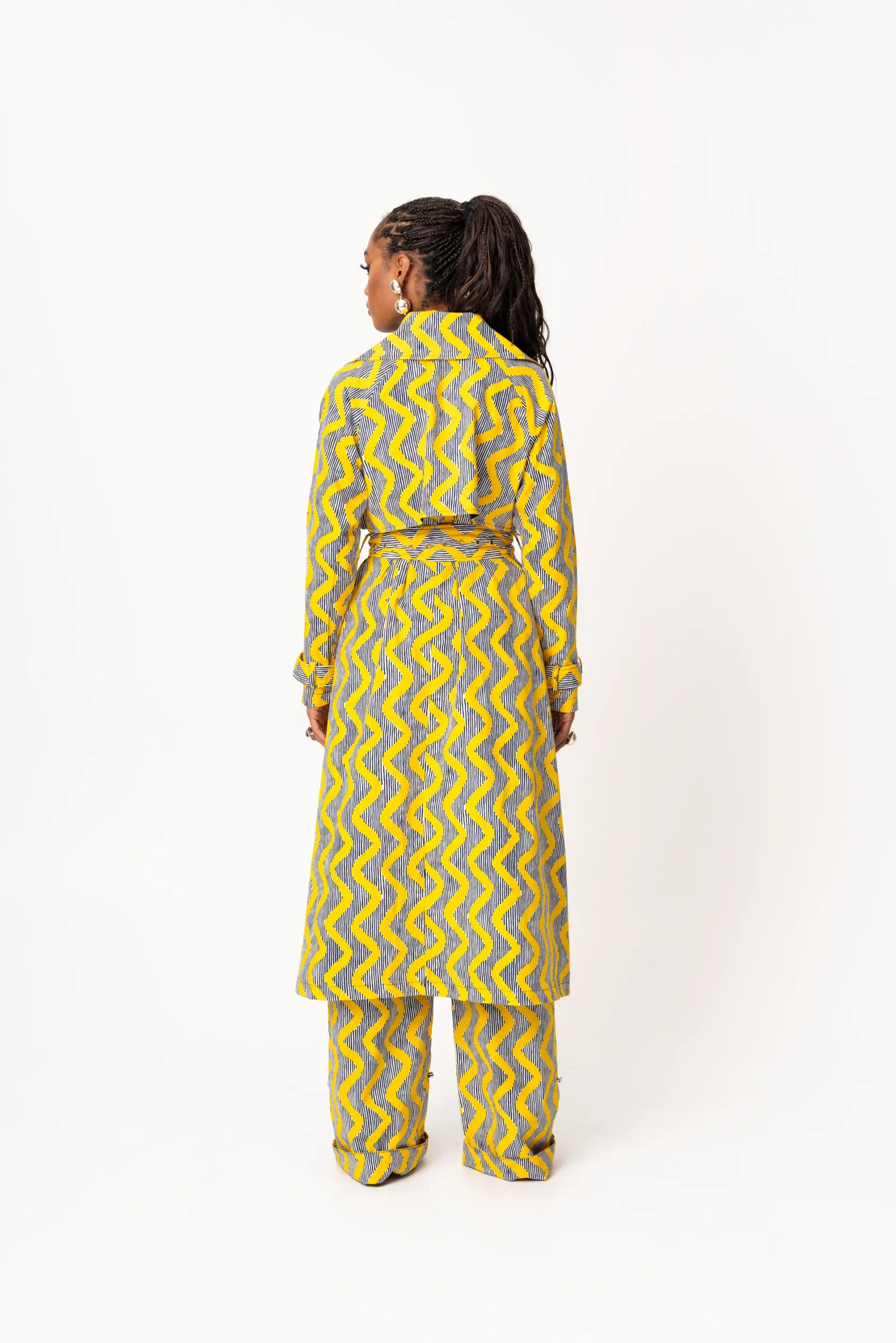
African textiles, particularly things like bogolan (mud cloth) or the lighter linens coming out of West African workshops, offer this incredible drape that traditional gabardine just can’t touch. These coats don’t just hang on you; they move with you. I am pretty sure my old khaki trench could stand up on its own if I left it in the corner. These new iterations? They feel like a second skin.
[ruby_related heading=”More Buzz” total=5 layout=1]
I think we are all a little tired of “greenwashing” in fashion. We see the labels, but we don’t see the soul. The rise of the African trench coat connects directly to a genuine slow-fashion movement. These are pieces artisans hand-dye using organic indigo or minerals and weave on looms that families have preserved for generations.
There is a certain vulnerability in wearing something handmade. You can see the slight variations in the weave; they prove that no machine in a windowless factory produced it. In 2026, “luxury” now means something entirely different. It is no longer about the most expensive logo; it is about the most interesting story. When someone asks, “Where did you get that coat?” you aren’t just giving them a brand name. You are talking about a community in Mali or a studio in Lagos.
The “Between-Seasons” Hero
Is it just me, or are the seasons getting harder to predict? One minute it is freezing, the next you are looking for shade. This is where the light-weight African trench becomes a total life-saver.
Layering:It is thin enough to go under a heavier overcoat if you are in a literal blizzard.
The Travel Factor:You can fold these things into a backpack and they come out looking better for the wrinkles. Try doing that with a structured Burberry.
The Palette:We are moving away from “sad desk beige.” 2026 is about ochre, deep forest greens, and burnt oranges colors that feel grounded and alive.
I recently bought a piece from a small designer in Accra. It is a soft, sun-washed orange with oversized lapels and no lining. I wore it to a coffee shop last week, and for the first time in years, I didn’t feel like I was “wearing a coat.” I felt like I was wearing a mood. It is that effortless “cool” that we all try to fake but rarely achieve.
Why is this the “must-have” for 2026 specifically? I think it’s because we are all craving a bit of optimism. After years of minimalist “quiet luxury” that, lt is be honest, was starting to feel boring, fashion needs texture again. Instead of silence, people want personality a little roar, a little life back in what they wear.
These coats provide a bridge. They have the professional silhouette of a classic trench—the belt, the lapels, the length but the soul is entirely different. They are bold without being loud. They are sophisticated without being stuffy.
It is kind of funny, isn’t it? We spent so long trying to look like everyone else in our “wardrobe staples.” Now, the most essential staple is the one that makes you look like an individual.
If you are looking to update your rack for the coming year, don’t look for something that keeps the world out. Look for something that lets the world in. These lightweight, storied pieces go beyond trends; they remind us that fashion should feel human.