
“I represent a country that has more than 250 million citizens. We will not be treated in this way.”
Femi Fani-Kayode was not asking for an explanation. In a video now circulating widely online, Nigeria’s new High Commissioner to South Africa is seen confronting officials in Pretoria after his speech was left out of the official livestream of a credentials ceremony.
“There’s nothing to explain. Fix the problem,” he says. “You edited us. We’re the only people. You cut out our speech.”
He then accuses someone of touching him. “Then you came and put your hands on me.” The person he addresses is not identified in the footage.
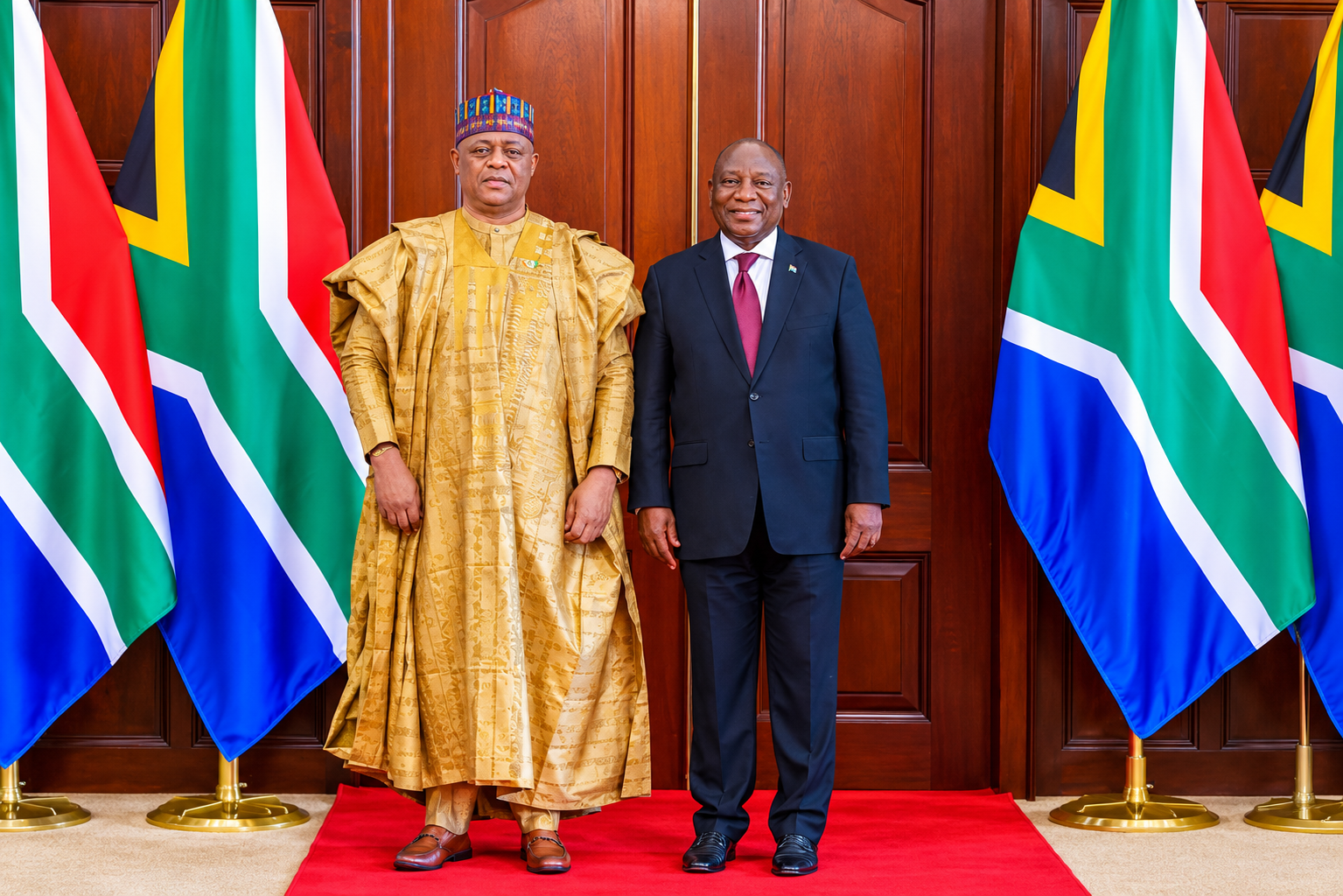
The row began on Friday, November 13, at the Presidential Guest House in Pretoria, where Fani-Kayode and 14 other envoys presented their letters of credence to President Cyril Ramaphosa. Each envoy was introduced and gave a short speech. Fani-Kayode says all 14 others were broadcast live. Nigeria’s introduction and his speech were not. The stream, he said, resumed only after he had finished.
“Of all the 15 introductions and speeches that were made and delivered this morning, only Nigeria’s was cut out,” he said in a statement later that day.
He said he raised it with Ramaphosa during the photo session, and that the President directed officials to fix it at once. By then, he said, the damage was done. He turned down an interview with the SABC in protest.
In the video, he strikes a softer note even in anger. “We love your country. We love each other. Please, let’s keep it like that. But I cannot be somewhere the Nigerians are disrespected.”
He also turned the moment into a message for Nigerians living in South Africa, a community long scarred by xenophobic attacks. “The people of Nigeria that are in this country will be well protected. We will watch over their interests,” he said. “A substantive ambassador for the first time in four years. The game has changed.”
Pretoria has hit back hard. Presidential spokesperson Vincent Magwenya called the envoy’s approach “grossly inappropriate” and accused him of “misrepresenting facts.” He flatly denied that Ramaphosa had stepped in. “There was no such intervention from the President or the Presidency and there will never be,” he said, adding that the President has no mandate to interfere with the operations of the SABC, the public broadcaster.
Clayson Monyela, South Africa’s head of public diplomacy, criticised the envoy for taking the matter to social media. South African authorities have since released the full ceremony video, including Fani-Kayode’s speech.
That has not settled it. In the video, Fani-Kayode is heard brushing aside the point that the footage is now online: “It’s on YouTube,” he repeats, insisting Nigeria was still the only country left out of the live broadcast.
The Nigerian High Commission has gone further, calling Magwenya a “liar” and a “disgrace” and saying the envoy was treated with “contempt and disdain.”
The Ministry of Foreign Affairs in Abuja had not commented publicly at the time of reporting.
Fani-Kayode arrived in South Africa on October 25. Three weeks into the job, he is already in a public fight with the presidency of the country he was sent to work with.