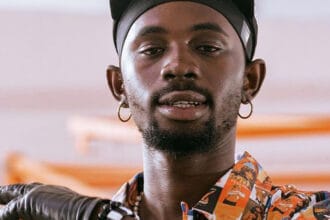





I was sitting in the back of a Danfo in Lagos heat the first time I really heard “Amen.” Not just listened to the beat, but heard it. You know that feeling when a song catches you off guard and suddenly the humidity doesn’t matter as much? Victony has this way of doing that. He is not just making music; he is weaving something that feels ancient and brand new at the same time. Honestly, by the time the track ended, I was convinced that we are failing him by only putting him on party playlists. We need to be putting him in textbooks.
There is a specific kind of magic in how Victony handles the divine. In “Amen,” he is not just singing a prayer; he is navigating a complex relationship with the Creator, the streets, and his own body. If you look at the trajectory of his career, the accident, the recovery, the transition from a rapper to this melodic powerhouse you realize that his music is a walking miracle. But “Amen” is where the theology gets messy in the best way possible.
The Theology of the “Everyday”
Most religious songs feel like they belong in a cathedral or a white-garment church. They are polished. But Victony’s “Amen” feels like a prayer whispered in a nightclub at 3:00 AM when you are halfway through a bottle of Stout and wondering how you are going to pay rent. It is the theology of the “everyday.”
Most religious songs feel like they belong in a cathedral or a white-garment church. They are polished. But Victony’s “Amen” feels like a prayer whispered in a nightclub at 3:00 AM when you are halfway through a bottle of Stout and wondering how you are going to pay rent. It is the theology of the “everyday.”
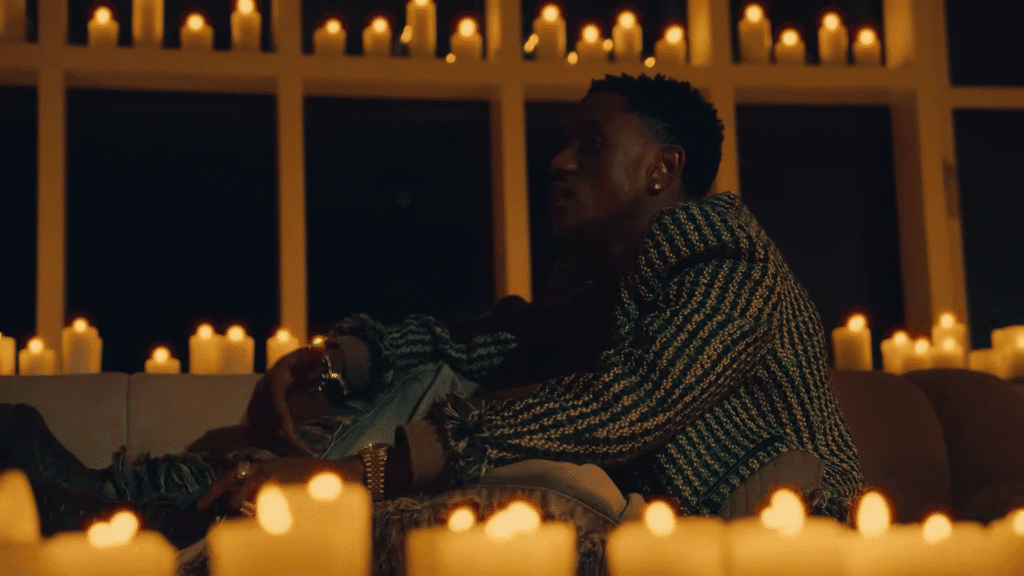
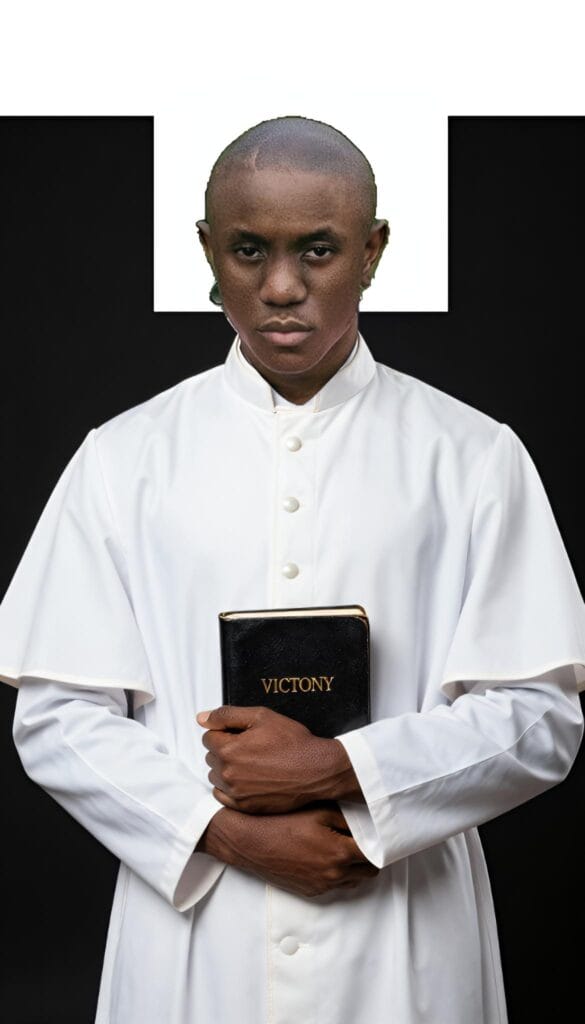
A Masterclass in Linguistic Fusion
From an academic standpoint, the way he uses language is a goldmine. We talk about code-switching in linguistics, but Victony does something deeper. He blends English, Pidgin, and his own melodic slang into a dialect that feels like a secret language for the initiated.
I remember talking to a friend who is a literature professor, and she was obsessed with his phrasing. He doesn’t just use words; he stretches them. He treats vowels like they are made of rubber. Academically, you could write an entire thesis on the phonetics of his delivery. He manages to make the word “Amen” sound like a sigh, a shout, and a demand all at once. There is a rhythm to his syntax that follows the heartbeat of someone who has seen the edge of the “other side” and decided to come back and tell us about it.
The Anatomy of Resilience
There is also the physical aspect. We cannot study Victony without studying the body. After his accident, his music became more grounded, more soulful. In “Amen,” you can hear the weight of a man who knows that life is fragile. This is where the disability studies and the humanities come in. He has navigated his healing in the public eye, and “Amen” feels like the sonic representation of that healing.
He is not asking for pity. He is asking for power.
Whenever I play the song now, I find myself dissecting the layers. There is a specific transition in the track where the percussion hits just a bit harder, and you realize he is leaning into the traditional highlife roots of his ancestors. He is tapping into a lineage. It makes me wonder: how much of our history is buried in the melodies of kids who just want to make us dance?
Oya Na, Why We Should Care Is This
I’m pretty sure some people will say, “It’s just a song, don’t overthink it.” But why shouldn’t we? We study the greats of the past because they captured the spirit of their time. Victony is doing that right now. He is capturing the spiritual hunger of a generation that is tired of being told how to pray and has decided to sing their own psalms instead.
“Amen” is a bridge. It bridges the gap between the secular and the sacred, the broken and the mended. It is a reminder that you can be deeply spiritual without being “religious” in the traditional sense. It is about the human condition.
Maybe one day, someone will sit in a lecture hall and deconstruct the bridge of this song. They will talk about the minor keys, the cultural context of 2020s Nigeria, and the way Victony’s voice cracks just slightly when he hits the high notes. Until then, I will keep playing it on repeat. I will keep finding new things to learn from it. Because if a song can make you feel both closer to God and closer to your own humanity, it is worth more than just a cursory listen. It is worth a lifetime of study.
We are watching a philosopher in a designer jacket. We should probably start paying closer attention.