
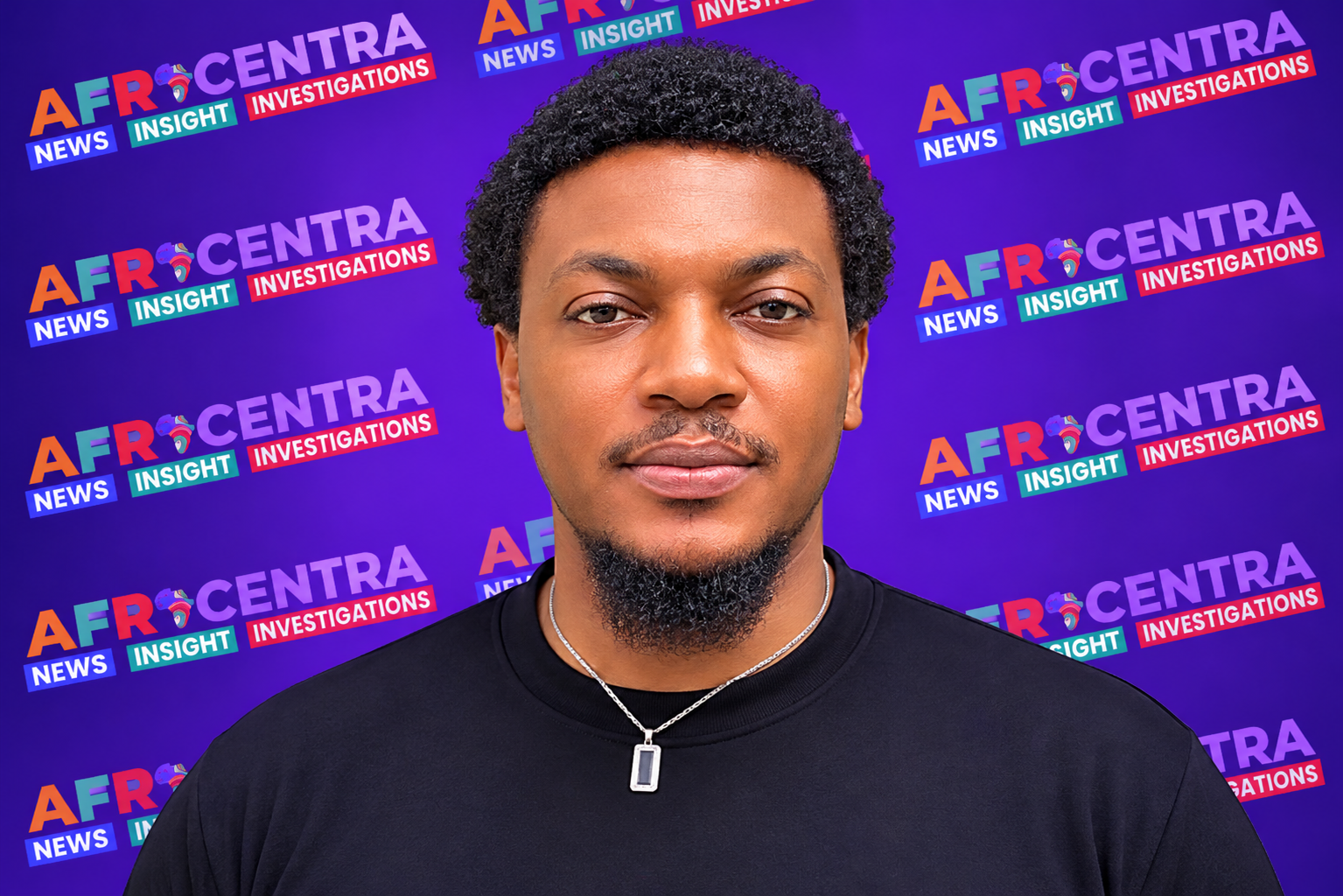
An investigative journalist is in Kuje prison for reporting on how public money was spent.
Justice Joyce Abdulmalik of the Federal High Court in Abuja on Tuesday, November 10, remanded Daniel Ojukwu of the Foundation for Investigative Journalism (FIJ) in Kuje Correctional Centre until December 1, when his bail application will be heard.
Ojukwu pleaded not guilty to 12 counts of cyberstalking. The charges, filed by the police and dated December 19, 2024, arise from FIJ reports published in 2023 and 2024 about spending by the Office of the Senior Special Assistant to the President on Sustainable Development Goals (OSSAP-SDGs). The prosecution claims the reports defamed Adejoke Orelope-Adefulire, then head of the office, and put her “in fear of death.”
The reports at the centre of the case alleged that the office paid about N147 million into the account of a restaurant for school projects. OSSAP-SDGs has denied any wrongdoing, insisting the payment was proper and the projects were executed by a competent company.
The remand came after a procedural fight. Once Ojukwu entered his plea, police prosecutor Kunle Lawal asked that he be held in custody. Defence counsel Atanda Kayode pointed to a pending bail application, but the judge said it was not ready for hearing because it had been filed only the day before. She also refused a request to let Ojukwu remain on his police administrative bail, noting that the charges had been served long ago.
FIJ founder Fisayo Soyombo is a co-defendant on the same charges. The prosecution told the court he was at large and asked for a bench warrant. The judge declined, saying he had not yet been brought before her.
This is not Ojukwu’s first time in custody over these reports. In May 2024, he was detained for 10 days by the police, sparking outrage from journalists and rights groups at home and abroad.
The backlash this time has been just as fast. The Nigeria Union of Journalists, through its National President Alhassan Yahya, demanded his “immediate and unconditional release” and the withdrawal of all charges against him and Soyombo, describing journalism as “a constitutionally protected public service and not a criminal activity.”
Amnesty International was blunter. “Journalism is not a crime, and exposing allegations of corruption must never be treated as an offence,” the group said. The Socio-Economic Rights and Accountability Project (SERAP) urged President Bola Tinubu and Attorney-General Lateef Fagbemi to secure Ojukwu’s release and end the use of cyberstalking and criminal defamation charges against journalists.
Nigeria’s Cybercrimes Act, amended in 2024 partly to curb its abuse against the press, has repeatedly been used to arrest and charge reporters over their work.
Ojukwu will spend at least the next 18 days in Kuje. His bail hearing is set for December 1.