




Beyond Apologies: Why Africa is Finally Demanding a Slavery Reparation Settlement
Have you ever stood at the edge of the Atlantic, perhaps at the Cape Coast Castle in Ghana, and felt the weight of the silence? It’s a heavy, echoing kind of quiet. For centuries, that silence has covered a debt that no one wanted to calculate.
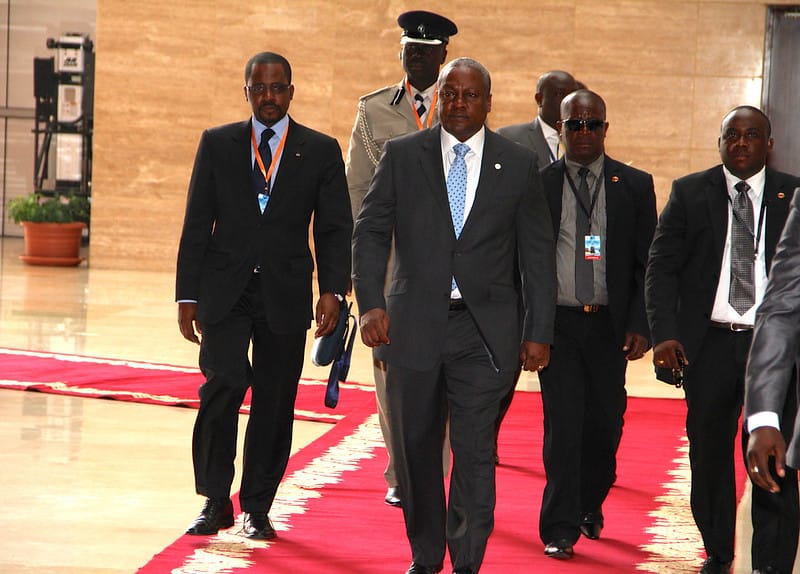
Ghana’s President, John Dramani Mahama, is o’t just asking for an apology anymore. He is leading a unified African front to demand something much more tangible: reparations. This is not just about Ghana; it’s about a continent-wide movement that says, “Our history was stolen, and it is time for a settlement.”
When people hear the word “reparations,” they often think of a simple bank transfer. But if you listen to the way this conversation is evolving, you’ll realize it is much deeper than that.
President Mahama, acting as the African Union’s Champion for Reparations, is pushing for a “unified vision.” We’re talking about:
Here Why Africa’s Reparation More Than Just a “Check”
Debt Cancellation: Wiping the slate clean of predatory loans that keep African nations tethered to the past.
Restitution of Artifacts: Bringing back the heritage and spiritual symbols currently sitting in European glass cases.
Restitution of Artifacts: Bringing back the heritage and spiritual symbols currently sitting in European glass cases.
It’s easy to stay comfortable. It’s easy to say, “That was hundreds of years ago, let’s just move on.” But how do you move on from a house with a fractured foundation?
At a recent Diaspora Summit in Accra, a global delegation challenged African leaders to choose “courage over comfort.” They’re urging the continent to stand as one block. Why? Because when one country asks, it’s a request. When 54 countries ask, it’s a mandate.
Why This Matters for Us and While It Opens Africa Up for A New Chapter
You might wonder,
Will this actually change my daily life?
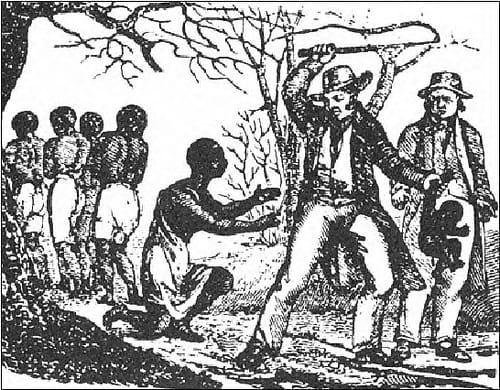
Reparations are about more than money; they’re about human dignity. They’re about rewriting the narrative that Africa is a “charity case” and acknowledging that the global North’s wealth was built on African backs. When a settlement is finally reached, it isn’t “aid”—it’s a return on an ancient, unpaid debt.
We are living through a historic pivot. The “Accra Proclamation” has set the stage, and the momentum is only growing. This isn’t a plea for sympathy; it’s a demand for justice.
As we watch this unfold at the UN and across the African Union, one question remains for the rest of the world: Are they ready to be honest about the past so we can all move into a shared future?
Do you think reparations should focus more on direct financial payments to individuals or on large-scale developmental projects for the continent?