
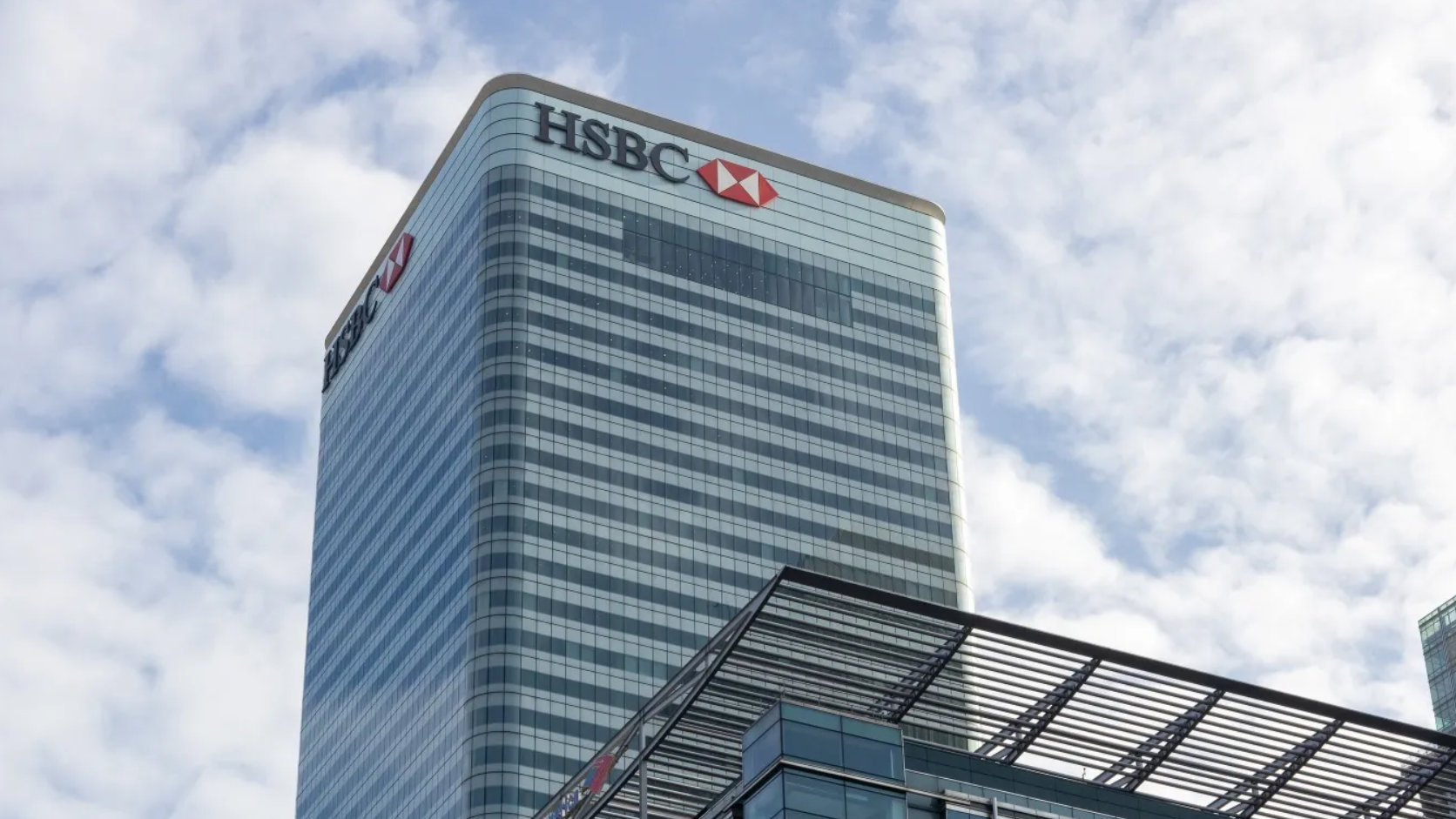
Anyone who sent cryptocurrency or typed card details into BBC, Zoom, HSBC, IKEA or 174 other major websites on Monday may have handed them to a hacker.
The sites were not hacked directly. The attacker broke into Optimizely, a web-testing tool those companies use, and planted malicious code inside the scripts it delivers to their pages. Because it came from a trusted source, the websites ran it automatically for every visitor.
Security firm Report URI found the code in 188 Optimizely scripts belonging to 178 organisations, out of 1,611 it checked. It warns the real figure is likely higher. Optimizely serves more than 10,000 businesses worldwide.
The victims span the internet: BBC, CNN, Fox News and NPR; HSBC in 11 countries, Equifax and crypto wallet maker Ledger; Zoom, Salesforce and GitLab; IKEA, ASOS and Levi’s; Air France-KLM and Alaska Airlines; UNICEF USA and Change.org. Optimizely’s own website and login page were infected too.
The malware swapped crypto wallet addresses on pages and in users’ clipboards, redirecting payments to the attacker. It skimmed card numbers, expiry dates and CVVs typed into sites’ own checkout forms, and captured cookies and screenshots of payment pages. On iPhones and iPads running older software, it tried to load two known iOS exploit kits, Coruna and DarkSword.
The first injection hit the BBC’s script at 5:21 a.m. West Africa Time on Monday, November 16. The attacker rebuilt the code 26 times that day, adding the card skimmer by mid-afternoon and the iPhone attacks by early evening. By 8:25 p.m., wallets linked to the attacker had received about $7,040. Most sites were cleaned by 10:52 p.m.
Optimizely confirmed the breach early on Tuesday. “We’ve fixed the vulnerability and removed the injected code from affected projects,” it said. It has not said how the attacker got in, how many customers were hit, or whether the attacker still has access.
It is not the company’s first breach this year. In February, attackers used a voice-phishing call to get into Optimizely’s internal systems and customer contact records. The company said at the time that the intruders could not deploy malware. Nine months later, they did, through a different route.
The damage may be smaller than the headline figure suggests. Cybersecurity firms Cynet and Hudson Rock say there is no evidence any iPhone was actually taken over. The skimmer could not read card details entered into separate payment boxes from providers like Stripe or Adyen. And some of the attacker’s wallets were active before the attack, so not all of the $7,040 came from victims. Researchers say the same attacker had been testing its tools on Turkish websites since September.
For Nigerian users, the risk is direct. Nigeria is one of the world’s biggest crypto markets, and millions pay for foreign services with dollar cards. Anyone who sent crypto, paid by card or browsed on an outdated iPhone on an affected site on November 16 should check their wallet history and card statement today.
How the attacker got in is still unknown.