




The United States and several Middle Eastern nations have formally requested Ukraine’s expertise in countering Iranian Shahed drones, Ukrainian President Volodymyr Zelenskyy confirmed Thursday.
Zelenskyy said he ordered Ukrainian equipment and specialists deployed after receiving the US request, while Russia-Ukraine peace talks remain postponed due to the escalating Iran conflict.
Africentra has confirmed these developments through Zelenskyy’s official statements and cross-referenced reporting from Associated Press and Euromaidan Press. Zelenskyy said he ordered Ukrainian equipment and specialists deployed after receiving the US request, while Russia-Ukraine peace talks remain postponed due to the escalating Iran conflict.
Aso Read: Ayatollah Khamenei Reported Dead in Joint U.S.-Israeli Strike
The Ukrainian president stated that assistance will proceed only under two conditions. Ukraine’s own defenses must not weaken, and the cooperation must add leverage to Kyiv’s diplomatic efforts to stop the Russian invasion. We help to defend from war those who help us, Ukraine, bring a just end to the war,” Zelenskyy said. In plain language, Ukraine will share its hard-won drone defense knowledge only with partners who support Ukraine’s security, and only if doing so strengthens Kyiv’s position in peace negotiations.
More Buzz

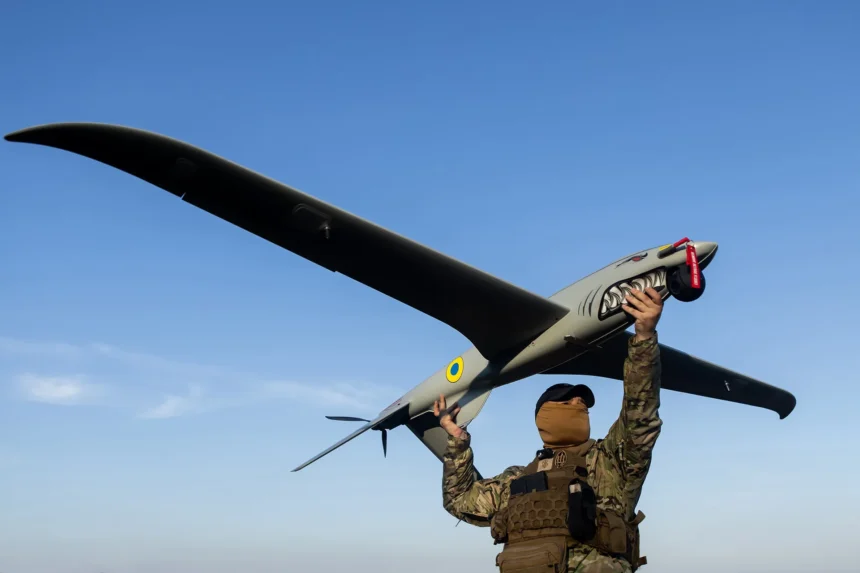
Russia has fired tens of thousands of Shahed drones at Ukraine since its invasion began more than four years ago. Iran has responded to joint US-Israeli strikes by launching the same type of drones at countries across the Middle East. Ukraine has pioneered low-cost interceptor drones that cost about $1,000, rewriting air defense rules and attracting international attention.
This request signals a major shift. Ukraine’s combat-tested technology is now a strategic asset that partners seek to acquire. The conditionality Zelenskyy attached shows Kyiv is leveraging its expertise to build diplomatic capital, not just selling equipment.
What did this decision change? It opens a new channel for security cooperation between Ukraine and Gulf states. It affects defense budgets, technology transfer protocols, and regional deterrence postures. Who is responsible? Zelenskyy authorized the deployment. US officials initiated the request. Regional leaders engaged in consultations.
If you follow global security or energy markets, this story matters to you. Iranian drones threaten shipping lanes and oil infrastructure. Disruptions in the Strait of Hormuz can raise fuel prices worldwide. Ukraine’s drone defense methods could help stabilize regional security, which affects global supply chains.
The policy impact block: This cooperation could reshape defense procurement. Nations may shift spending from expensive interceptors to cost-effective Ukrainian-style drone killers. It affects export control frameworks, as Ukraine moves to legally export battle-tested systems. Your tax dollars or investment portfolios could feel the ripple effects through defense contracts and energy prices.
Zelenskyy emphasized that Iranian attacks have already seriously affected regional security and the global energy market. “Iranian drones and missiles pose the main threat to free navigation and destabilize oil, fuel, and gas prices worldwide,” he said. Plain language: When drones threaten oil shipments, prices at the pump can rise. Your household budget may feel that pressure.
For African, this matters because energy price volatility affects import costs and inflation. Stable shipping lanes support trade flows that African economies rely on. Drone defense cooperation could indirectly support economic stability on the continent.
Citizens in Gulf states facing drone threats. Global consumers exposed to energy price swings. Ukrainian defenders who must balance export commitments with frontline needs. Who is responsible? National leaders who approve security partnerships. Defense ministries that manage technology transfers.
Regional partners have engaged positively. Zelenskyy confirmed conversations with UAE, Qatar, Bahrain, Jordan and Kuwait leaders. European Union foreign policy chief Kaja Kallas said talks would examine how Ukraine’s experience can help counter Iranian drones.
Ukraine sees the Iran conflict and Russia-Ukraine war as linked struggles against shared adversaries. Russia denies coordinating with Iran on drone deployments, though Western analysts cite evidence of technology sharing.
What did Moscow do? It continues military operations in Ukraine while denying direct coordination with Iran on Middle East drone strikes. Who does it affect? Ukrainian civilians under drone attack. Middle Eastern communities facing Iranian strikes. Who is responsible? National command authorities in Moscow and Tehran who approve weapons deployments.
Reporting both sides requires noting Russia’s denial of coordination while acknowledging documented weapons transfers. The burden of proof rests on verifiable evidence, not political assertions.
Real data grounds this story. Russia has fired more than 57,000 Shahed drones at Ukraine since the invasion began. Iran launched over 800 missiles and 1,400 strike drones in just a few days of recent escalation. Ukrainian interceptor drones cost about $1,000 each, compared to multimillion-dollar traditional air defense systems.
The US and UAE mediated the return of 200 Ukrainian prisoners. Russia’s Defense Ministry confirmed receiving 200 prisoners from Ukraine in the same exchange. Negotiators discussed exchanging 500 prisoners from each side between Thursday and Friday.
Ukraine’s drone industry is expanding. The country aims to produce 7 million drones in 2026. Zelenskyy announced plans for 10 joint drone production facilities across Europe. More than 1,000 Ukrainian drone crews now operate under the “Drone Line” initiative.
Ukrainian military personnel and experts are arranging concrete steps for deployment. Zelenskyy plans further conversations with Kuwait and other regional countries. The European Union and Gulf foreign ministers held video talks to coordinate responses.
Technology transfers require legal frameworks and training protocols and regional partners will assess Ukraine’s conditions before finalizing agreements. The pace depends on battlefield developments in both Ukraine and the Middle East.
What remains unconfirmed is the specific equipment types, deployment timelines, and financial terms as these are yet to be public. What could still change is the escalating conflicts which could alter priorities and diplomatic breakthroughs could accelerate cooperation.
Zelenskyy authorized the response after US consultation and Ukraine has maintained strict conditions on weapons exports to preserve its own defense capacity. The questions that remain unanswered though is; How will Ukraine balance export commitments with frontline needs and how will partners fund these initiatives?
A major battlefield development in Ukraine or the Middle East could alter priorities. Diplomatic breakthroughs could accelerate or delay technology transfers. And domestic political shifts in partner nations could affect approval processes.