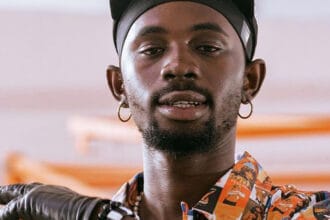



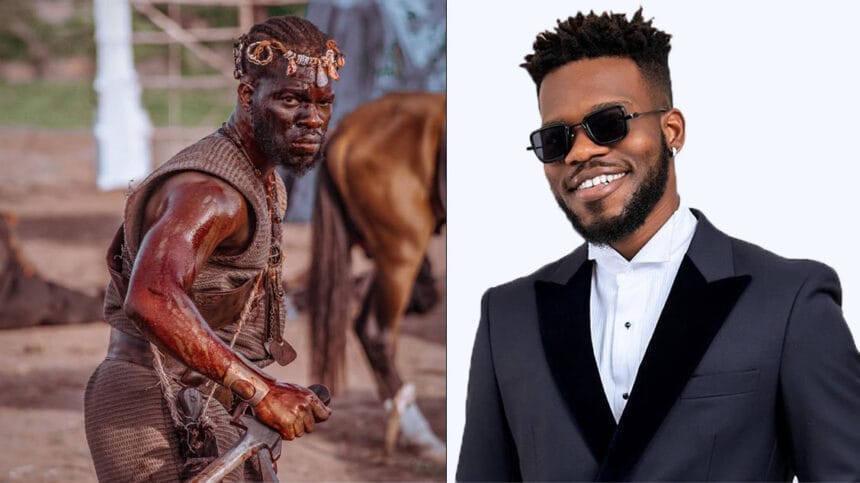
Samuel Perry, the comedian and actor widely known as Broda Shaggi, has been hospitalised after sustaining a gunshot injury during a skit recording in the Sango-Ota area of Ogun State. The incident, which occurred on Sunday afternoon under the Sango-Ota bridge, has left the entertainer recuperating at Duchess Hospital in Ikeja after initial emergency treatment at Blooming Care Hospital.
The news feels like a jarring glitch in the high-speed machinery of Nigeria’s digital creator economy. For a man who built an empire on the high-energy, slapstick persona of a “Fine Boy Agbero,” the transition from staged chaos to a real-life medical emergency is a sobering reminder that the streets Shaggi parodies are increasingly volatile. While the specific circumstances of the shooting remain under investigation, the event highlights a dangerous intersection where the pursuit of authentic “street” content meets the unscripted reality of Nigerian insecurity.
According to reports from the Lagos State Police Command, the hospital alerted authorities after a gunshot victim later identified as Perry was brought into their facility on a stretcher with an injury to his thigh. Abimbola Adebisi, the spokesperson for the Lagos Command, confirmed that detectives were mobilised to Duchess Hospital where the entertainer is currently receiving care.
While the injury occurred in Sango-Ota, which falls under the jurisdiction of the Ogun State Police Command, Ogun spokesperson Oluseyi Babaseyi stated that the incident had not been formally reported to their office as of Thursday. Sources close to the production crew suggest the shooting took place while filming was active, though it is currently unclear if the discharge was accidental, related to a security lapse, or a targeted act of violence.
Broda Shaggi is not just a comedian; he is a cornerstone of the modern Afropop cultural movement. A graduate of Creative Arts from the University of Lagos, Perry’s “Shaggi” character a shirtless, hyperactive street hustler bridged the gap between traditional Yoruba traveling theatre (Alarinjo) and the frantic pace of Instagram and TikTok.
But there is a business reality beneath the art. To maintain relevance in an algorithm-driven market, creators often seek out locations that provide “street credibility.” Shooting under the Sango-Ota bridge isn’t just a logistical choice; it is a search for an aesthetic that resonates with a demographic that sees their own lives reflected in Shaggi’s satire. However, this “guerrilla” style of filmmaking often happens without the institutional protections such as closed sets or professional security details that traditional Nollywood productions might employ.
The reaction from the content creation community has been a mix of shock and quiet anxiety. While Perry’s manager, Olufemi Oguntamu, has yet to issue a formal press statement, the incident has reignited a debate about the safety of “skit makers” who often work in public spaces without formal permits or protection.
“The hospital contacted the police to report that a gunshot victim had been brought to their facility,” said police spokesperson Abimbola Adebisi. “He was seen on a stretcher with an injury to his thigh.”
For many insiders, the silence from the Ogun State police contrasted with the proactive report from the Lagos medical facility highlights the bureaucratic disconnect that often leaves independent creators vulnerable when projects go wrong across state lines.
The stakes for Samuel Perry are high, both artistically and commercially.
Perry is a two-time winner of the Africa Magic Viewers’ Choice Award (AMVCA) for Best Actor in a Comedy (2022, 2023).
With over 11 million followers on Instagram alone, he represents one of the most bankable faces in Nigerian entertainment.
His crossover into music, specifically the hit “Oya Hit Me,” has seen millions of streams, blending Fuji influences with modern Afrobeats.
The interruption of his production schedule doesn’t just affect his health; it halts a content machine that supports a large crew of writers, editors, and supporting actors who rely on the “Shaggi” brand for their livelihoods.
This moment matters because it forces us to look at the “Agbero” archetype that Shaggi has so successfully monetized. We love the character because he makes the harshness of the Lagos streets feel like a joke we are all in on. But when real blood is shed, the satire wears thin.
It also speaks to a broader cultural conversation about the visibility of Nigerian stars. In a country where insecurity is a daily headline, the celebrity status of content creators provides no shield. If anything, the visibility required for their work shooting in open, recognizable locations makes them easier targets for either opportunistic crime or the crossfire of local volatility.
Trump Orders Christmas Day Airstrikes on ISIS in Nigeria Following Attacks on Christians
As Perry recuperates in Ikeja, the focus shifts to the Ogun State Police Command and whether a formal investigation will reveal the source of the gunfire. The industry will likely see a push for better safety standards for independent creators, though the decentralized nature of the “skit” world makes regulation difficult.
There is also the question of the narrative. In a world of “clout chasing,” some initial skeptics questioned the validity of the report, but the police confirmation and hospital records ground this in a painful reality. How Perry chooses to address this whether through his typical humor or a more somber reflection will define the next chapter of his career.
For now, the man who spent years telling us to “hit him” has been hit by a reality that isn’t funny at all. The culture waits to see if the “Fine Boy Agbero” can find his way back to the screen, and what cost he will have to pay to stay there.
The digital hustle continues, but the bridge at Sango-Ota looks a lot more dangerous than it did last week.